
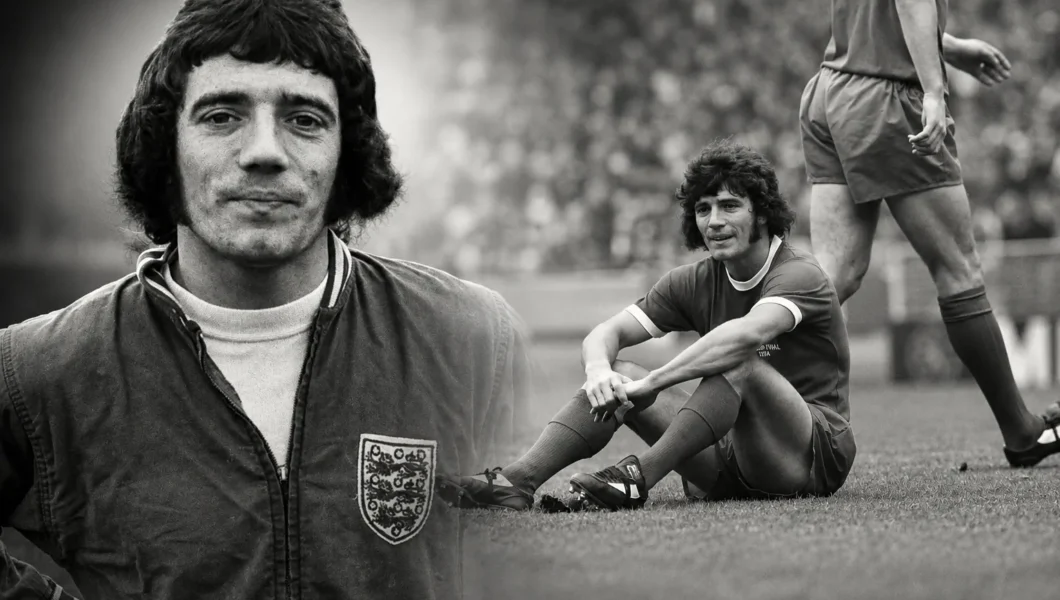
Kevin Keegan, one of the most popular and exciting figures in English football, has died at the age of 75 after a brave fight against cancer. The news shocked the football world, with tributes pouring in from former team-mates, managers and fans who saw him light up pitches across England and Europe for over a decade.
Keegan had been diagnosed with cancer in January, and in June his family confirmed it was stage four. He passed away peacefully, surrounded by his loved ones. A statement from his family described him as “a loving husband, father, and grandfather” who “faced his illness with tremendous courage and dignity.” From grassroots football clubs to the top of the game, everyone stopped to mourn the man they called King Kev.
His passing brings to an end a really special chapter in English football. A chapter of passion, flair and a strong bond between a player and his fans. Very few figures in the sport have ever won the hearts of so many people, at so many clubs, in the way Kevin Keegan did.
From a Mining Town to the World Stage: Kevin Keegan’s Early Life
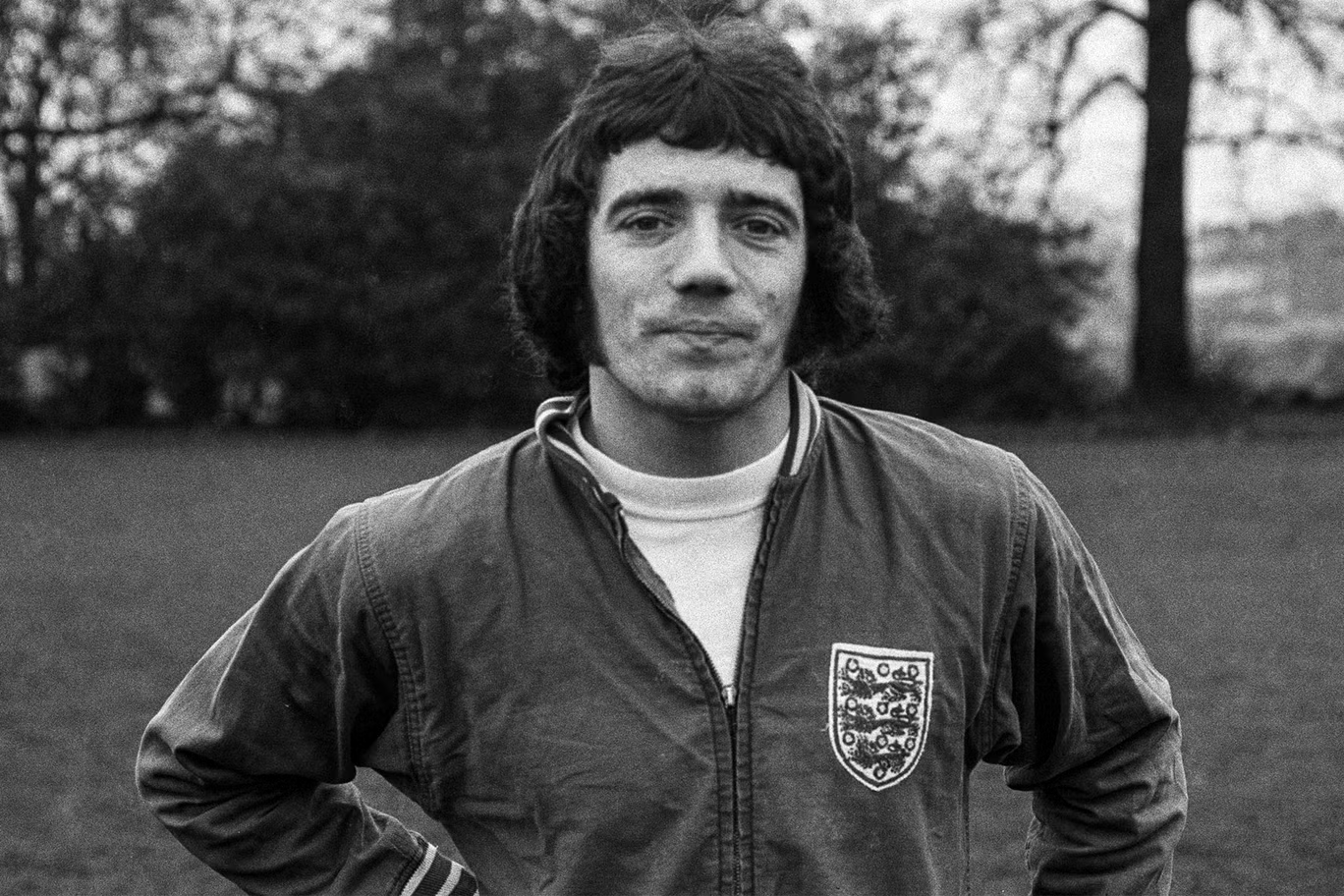
Joseph Kevin Keegan was born on 14 February 1951 in Armthorpe, a small mining village near Doncaster, South Yorkshire. His father, Joseph Keegan, worked down the mines. That working-class upbringing gave Kevin the grit and drive that would shape his entire career. Growing up, he supported Doncaster Rovers and dreamed of becoming a professional footballer, just like thousands of other boys in those years.
What made Keegan’s story so special was how different his path was compared to most top players. He was not a teenage star picked up by a big club from school. He was spotted playing in local leagues, a lively and energetic forward who made up for any rough edges with sheer desire and hard work. In 1968, Scunthorpe United gave him his chance, and Keegan repaid them with the kind of committed performances that soon caught the attention of much bigger clubs.
The Liverpool Years That Defined a Generation (1971 to 1977)
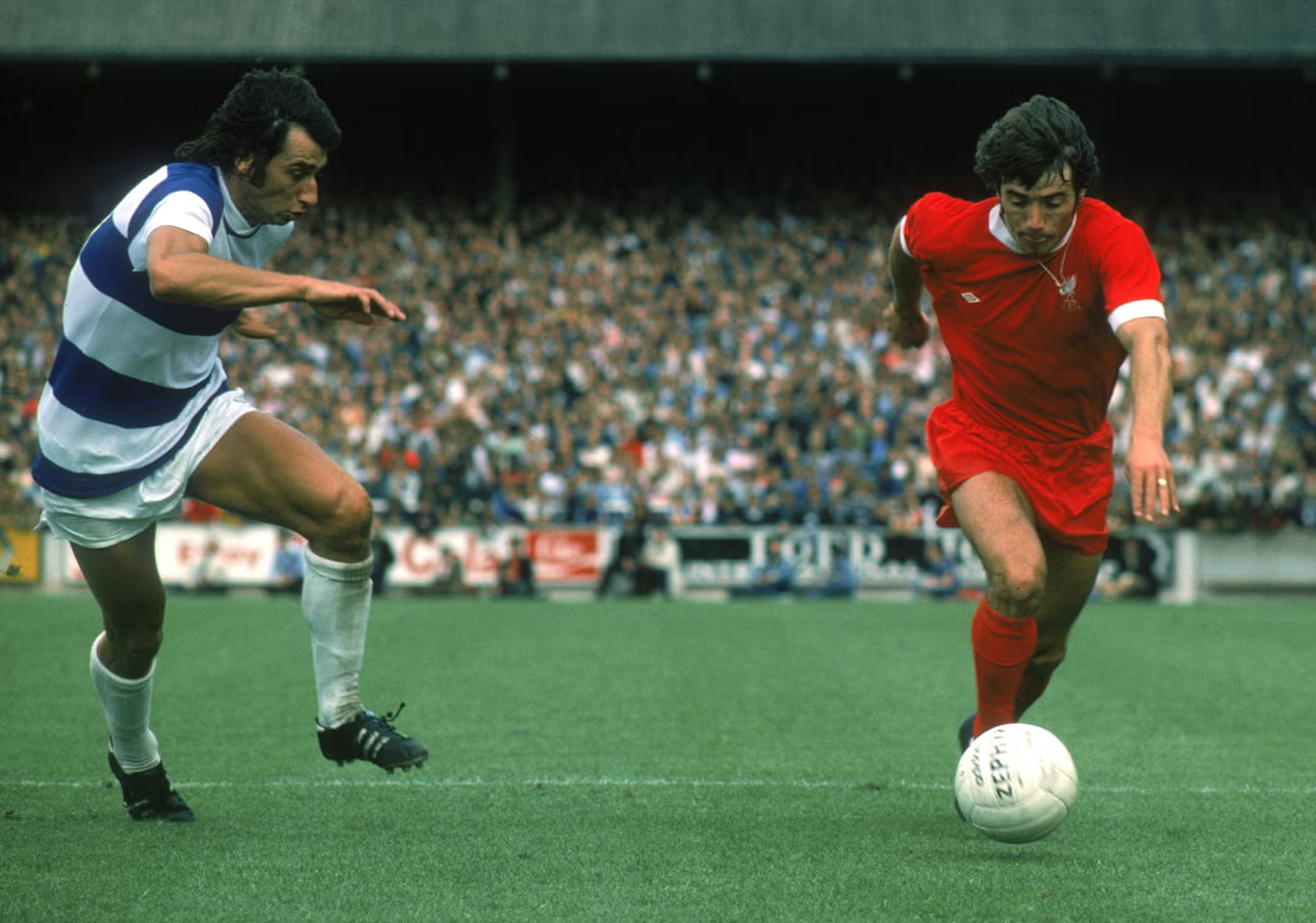
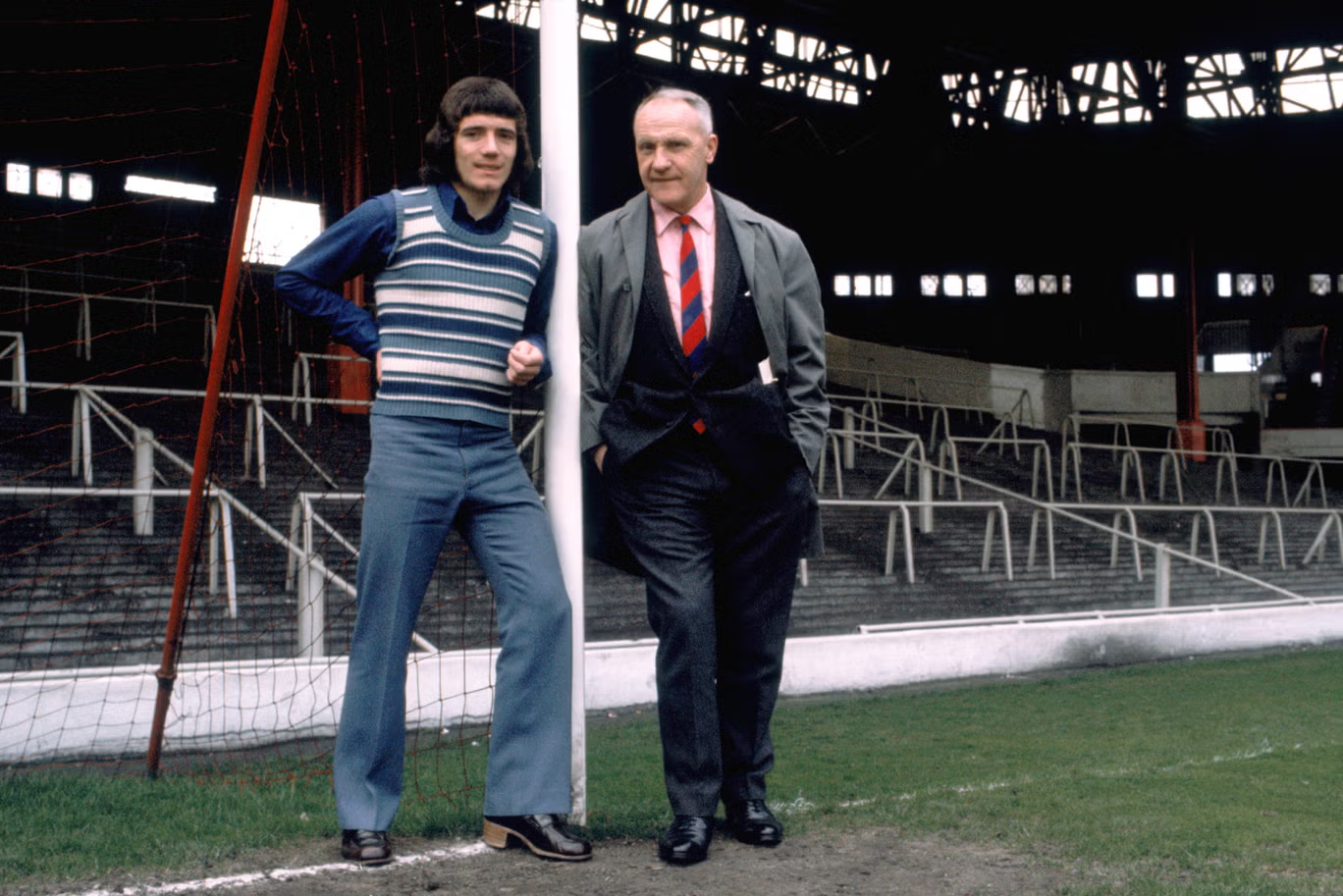
It was the great Bill Shankly who brought Keegan to Liverpool in 1971 for just £35,000. That turned out to be one of the best bits of transfer business in football history! At Anfield, Keegan was brilliant. He formed a superb partnership with Welsh striker John Toshack, and together they caused all sorts of problems for defences across England and Europe.
Over six seasons, Keegan played 230 games for Liverpool and scored 68 goals. The trophies kept coming: three First Division titles, a European Cup, two UEFA Cups, and an FA Cup. He was the heart and soul of both the Shankly and Bob Paisley sides that ruled English football. His energy, his personality, and his eye for goal made him a joy to watch.
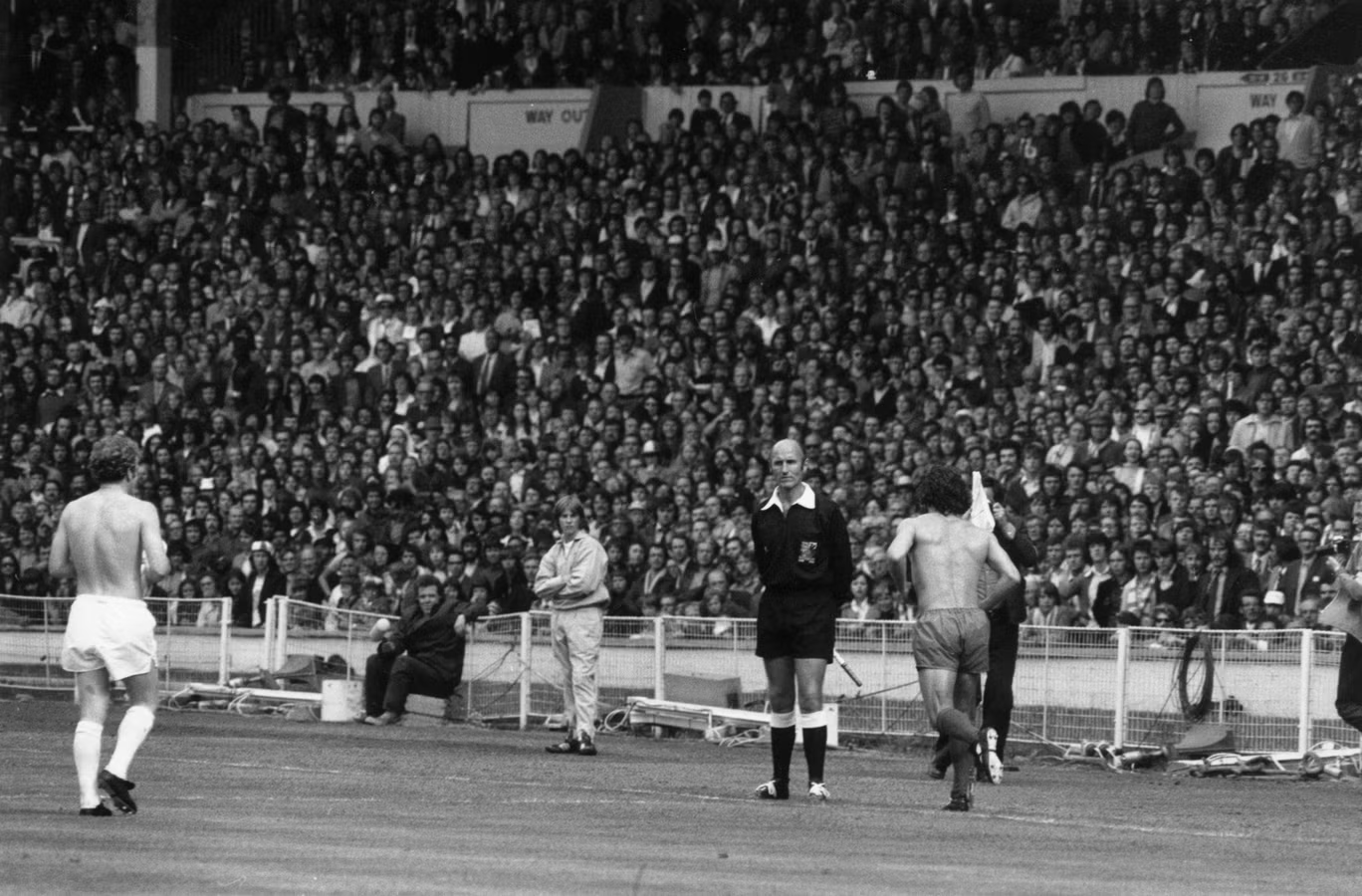
Not everything went smoothly, though. One of the most talked-about moments of his time at Liverpool came in the 1974 Charity Shield, when Keegan and Leeds United’s Billy Bremner were both sent off for fighting. The iconic image of both men throwing their shirts to the ground as they left the pitch became one of the most famous scenes in Wembley history. It showed the fiery side of Keegan that made him such a fascinating character.
Hamburg, the Ballon d’Or, and European Stardom (1977 to 1980)
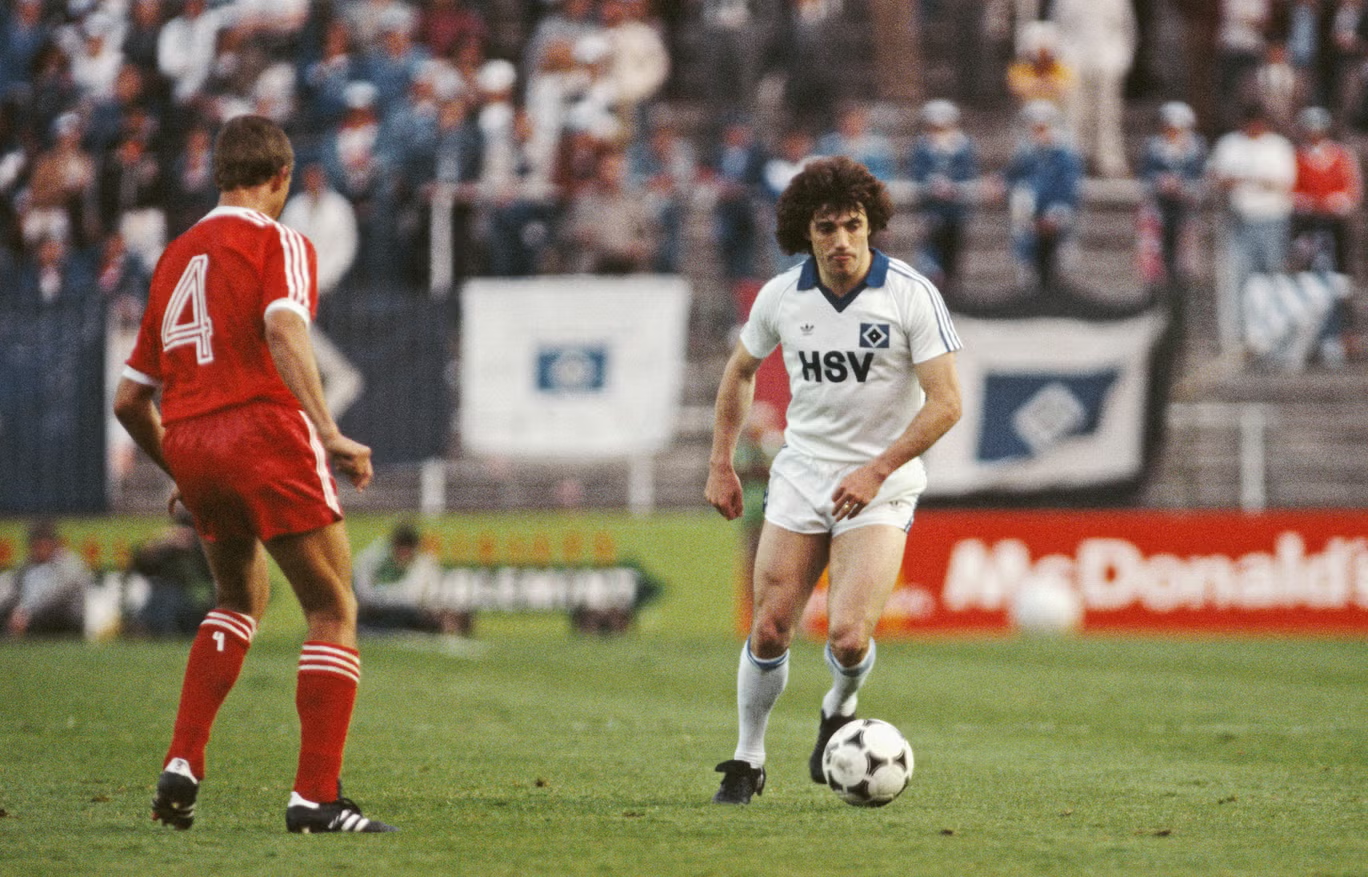
In 1977, Keegan made a bold move. He left Anfield to join Hamburg SV in West Germany. Not everyone understood it at the time, but it turned out to be a brilliant decision. The transfer fee was £500,000, a German record, and Keegan was worth every penny. In Hamburg, he did not just become a top English footballer. He became a genuine European star!
During his three years in the Bundesliga, Keegan won two league titles and rubbed shoulders with some of the greatest players of his era, including Diego Maradona, Pele, and Johan Cruyff. He held his own against all of them. In 1978 and 1979, he was awarded the Ballon d’Or, the most prestigious individual prize in world football, in back-to-back years. He is one of only a small number of British players ever to win the award, and the only one to win it twice in a row.
Returning Home: Southampton, Newcastle, and the End of a Playing Career
After his time in Hamburg, Keegan came back to England. He joined Southampton in 1980 before making one final move to Newcastle United, a club he would go on to mean so much to, on two separate occasions. He finished his playing career at St James’ Park at the age of 33. Even then, the love he got from Geordie fans made it clear this was more than just a footballer at a football club. It was the start of something very special indeed.
England International: 63 Caps, 21 Goals, and the Hopes of a Nation
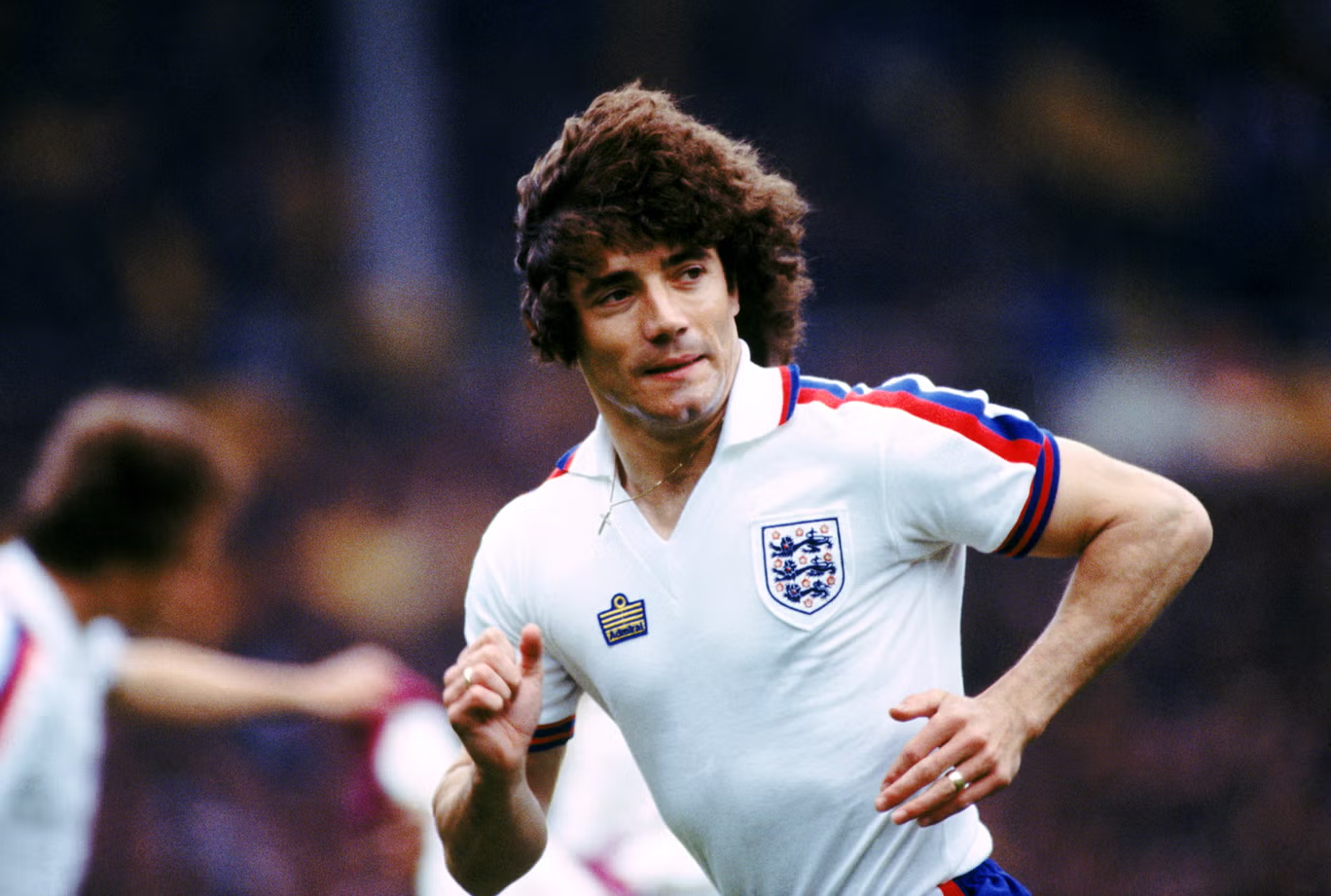
Keegan played 63 times for England, scored 21 goals, and captained the side on 31 occasions. He was a key player for the national team throughout the 1970s, though his international career had its painful moments too. The 1982 World Cup in Spain was particularly tough. Despite England looking to Keegan to make a difference, he only managed 26 minutes on the pitch, coming on as a substitute against Spain but unable to turn things around. It was a frustrating way to end his time as an England player.
King Kev the Manager: Rescuing Newcastle United and Building ‘The Entertainers’
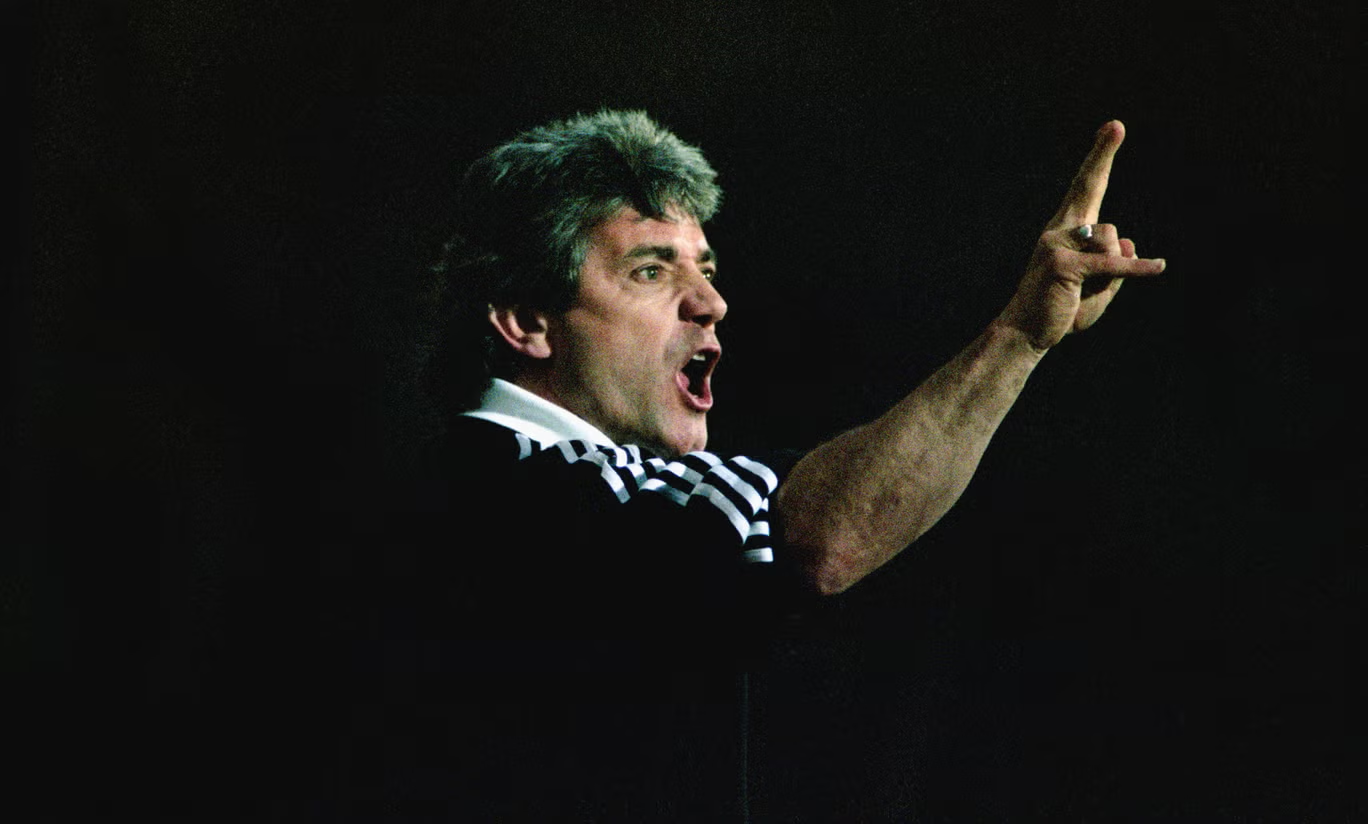
Keegan’s playing career was brilliant, but his time as manager of Newcastle United was something else entirely! He took charge of the club in February 1992 when they were in real danger of slipping into the third tier of English football. What he did next was one of the great stories in modern football.
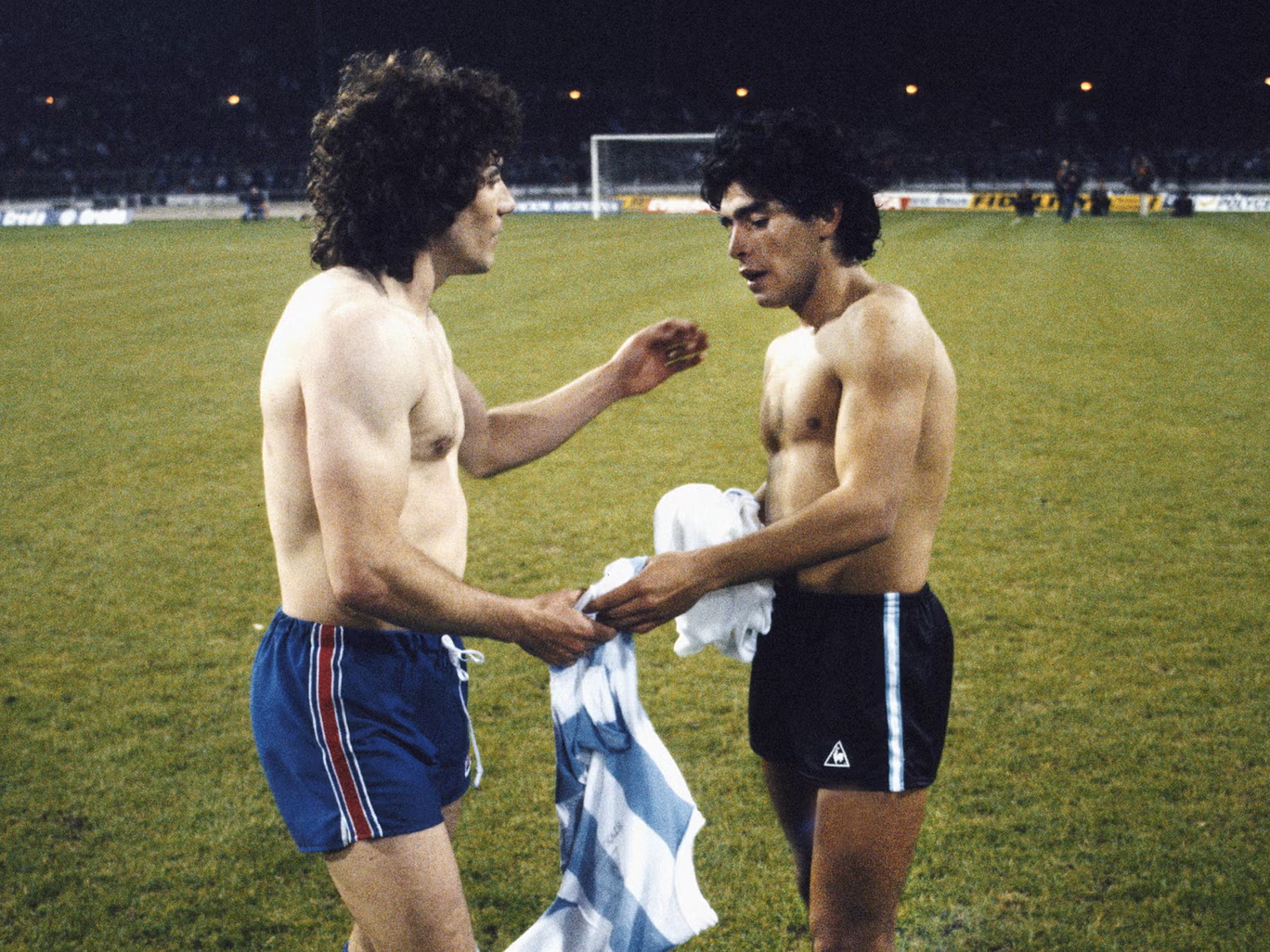
Keegan completely turned the club around. He won promotion from the old First Division in 1992 to 1993 and took Newcastle into the top flight with an exciting, attacking style of football that fans absolutely loved. The team became known as ‘The Entertainers’, and it was a perfect name for a side that played with such joy and ambition. In the 1995 to 1996 Premier League season, Newcastle came incredibly close to winning the title before finishing second to Manchester United after throwing away a 12-point lead.
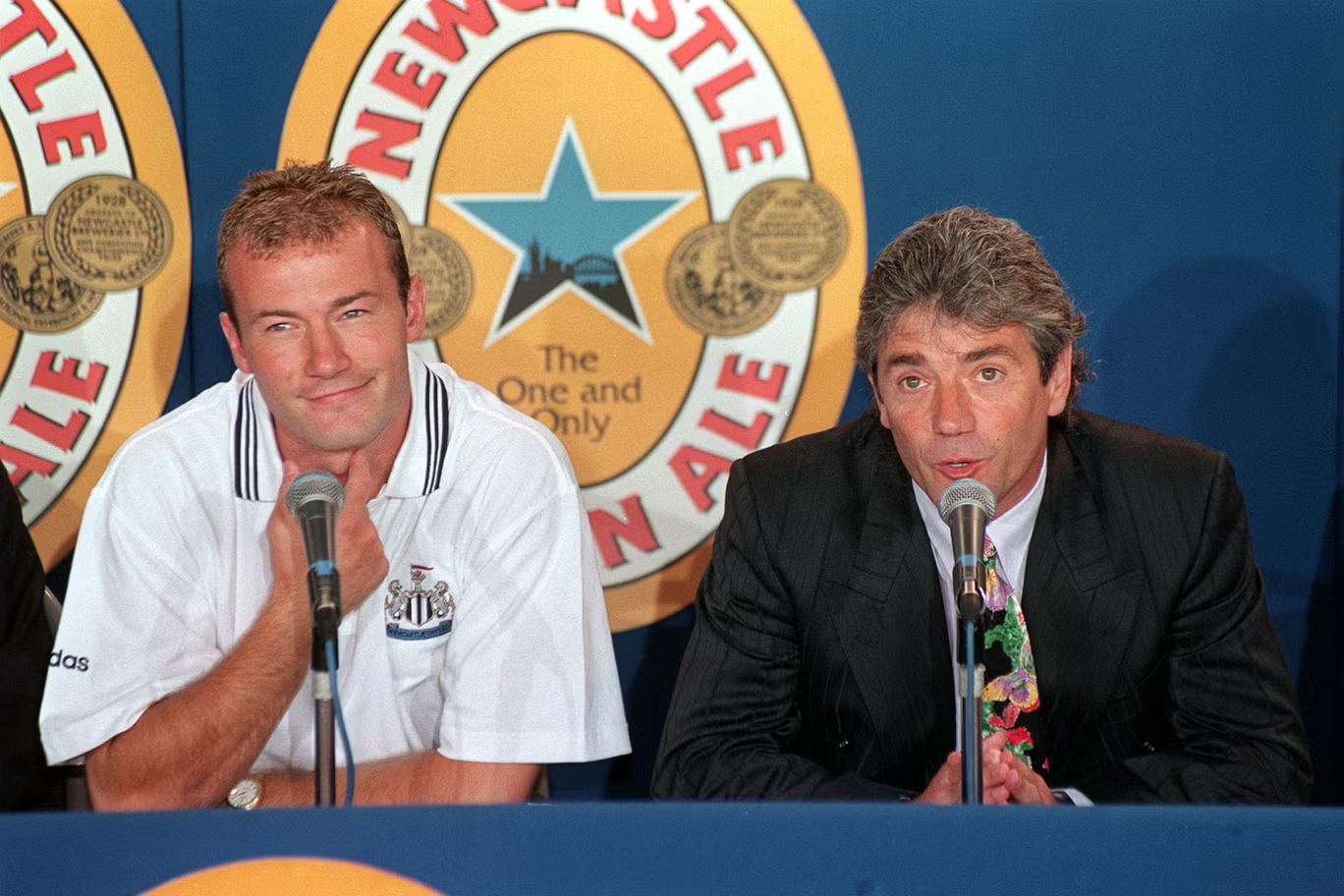
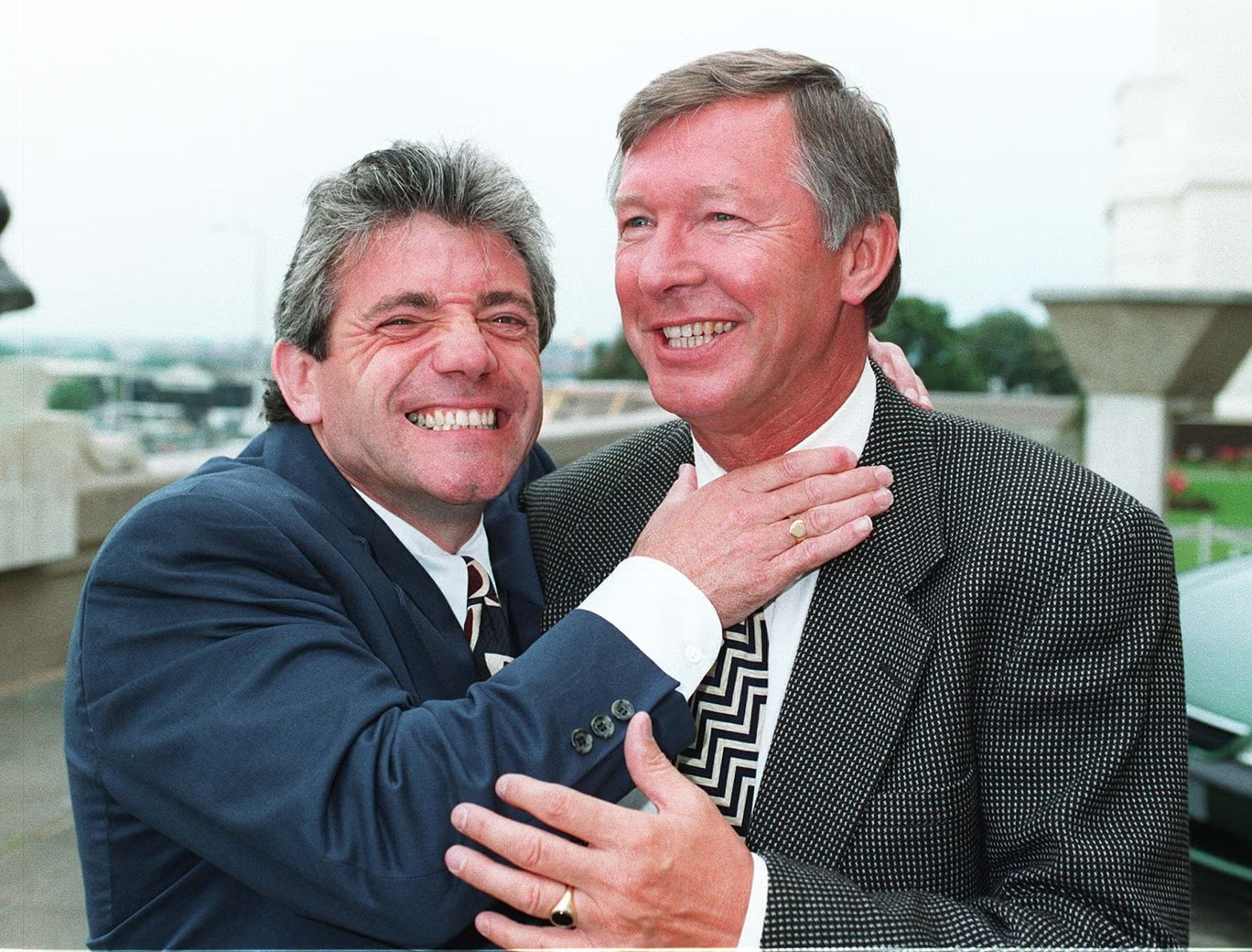
That season also gave us one of the most memorable moments in Premier League history. After some pointed comments from Manchester United manager Sir Alex Ferguson, Keegan delivered a now-famous live TV outburst, his voice full of emotion: “I will love it if we beat them, love it!” It was passionate, it was honest, and it made people love him even more. He also brought Alan Shearer to the club that summer for a then-world record fee of £15 million.
England Manager: Euro 2000 and the Walk Away from Wembley
In February 1999, Keegan was appointed England manager. It was a huge job and he took it on with his usual enthusiasm. He led England to Euro 2000 in Belgium and the Netherlands, but the tournament ended in the group stage and the pressure grew. The moment that defined his time in charge came on 7 October 2000 at the old Wembley Stadium, when England lost 1-0 to Germany in a World Cup qualifier. Within minutes of the final whistle, Keegan resigned. He had been in charge for just 20 months and 18 games.
Manchester City and a Final Farewell at Newcastle
Keegan returned to management with Manchester City in 2001 and spent four years at the club, guiding them through a steady spell in the Premier League. He then went back to Newcastle in 2008 under new owner Mike Ashley, but things did not work out. There was a very public falling out over transfer decisions, and Keegan left the club again in September of the same year. It was an unhappy ending that most people felt he did not deserve.
Tributes Pour In: Football Mourns the Loss of a Genuine Great
The reaction to Keegan’s passing was swift, warm, and full of feeling. Alan Shearer, the man Keegan brought to Newcastle for that world record fee, simply said: “My hero. My manager. My friend. Sleep easy, Boss.” Newcastle United described him as “one of the most iconic, influential, and deeply loved figures in our club’s history.”
Liverpool FC said his “indomitable spirit and remarkable contribution will be forever etched in our history.” Hamburg SV called him one of football’s “defining figures.” Prince William said he was “incredibly saddened” by the news and remembered Keegan as “a truly remarkable footballer and manager who inspired generations.” Jamie Carragher paid tribute to his importance to Liverpool, while former Newcastle striker Mick Quinn spoke of the privilege of knowing him both as a fan and as a colleague.
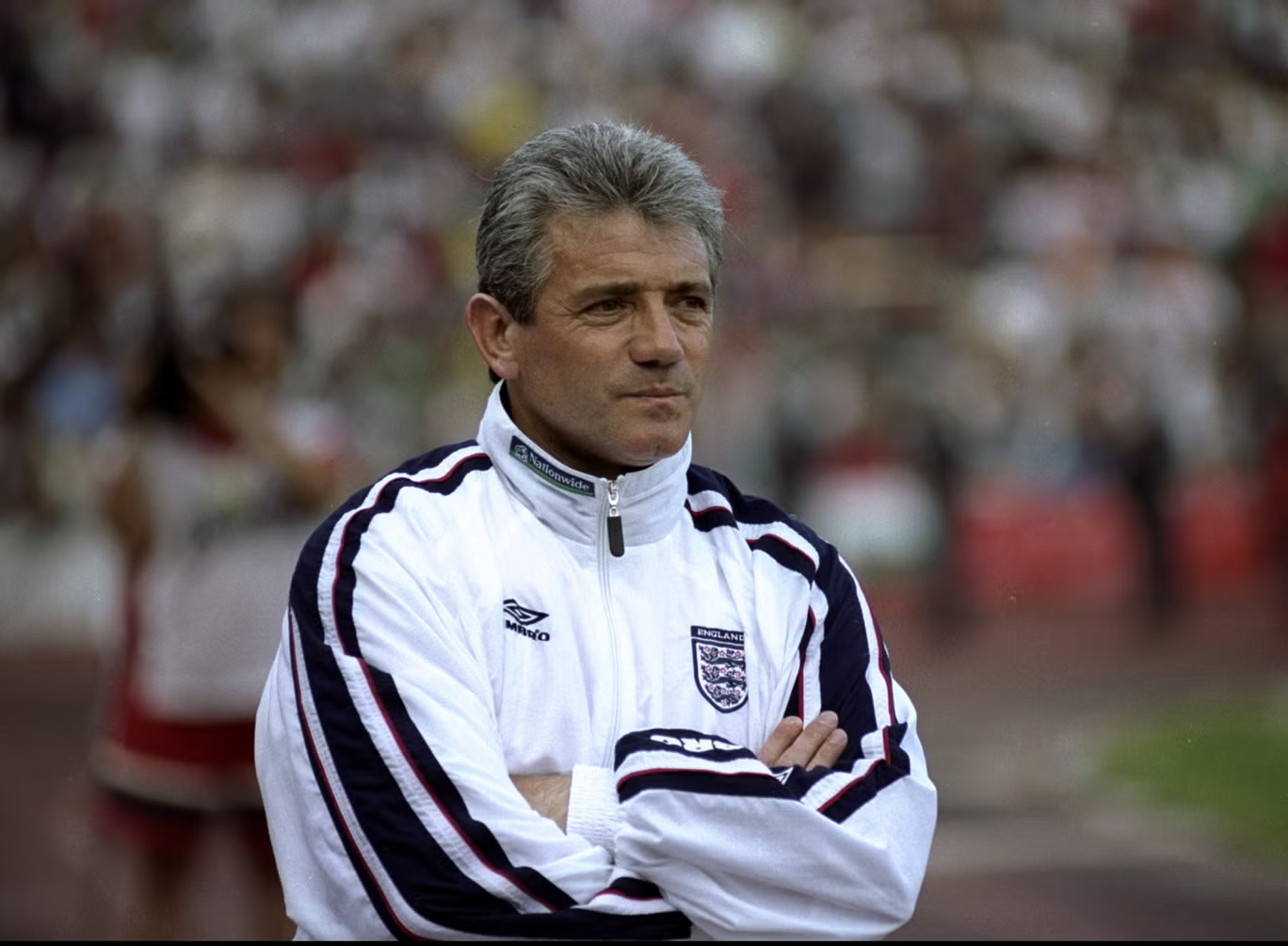
King Kev’s Lasting Legacy on English Football
Kevin Keegan’s legacy goes far beyond trophies and statistics. He showed that a boy from a small mining village in Yorkshire could, with enough hard work and heart, reach the very top of world football. As a manager, he did not just organise football teams. He inspired them. He made people fall in love with the game all over again.
He won the Ballon d’Or twice at a time when very few English players were considered among the best in the world. He saved Newcastle United from a very dark place and turned them into one of the most exciting sides the Premier League has ever seen. He always wore his heart on his sleeve, and fans loved him for it.
English football has lost one of its most joyful and passionate figures. The name Kevin Keegan will be heard around grounds from Tyneside to Merseyside for many years to come. And that, more than any medal or award, is the real measure of a life brilliantly lived in football.
FAQs
Kevin Keegan died at the age of 75 after a battle with stage four cancer that had been made public earlier in the year.
During his playing career, Keegan played for Scunthorpe United, Liverpool, Hamburg SV, Southampton and Newcastle United .
Kevin Keegan is one of the very few British players to ever win the Ballon d’Or and the only one to win it in back to back years, winning it in 1978 and 1979.
Kevin Keegan earned 63 caps for England, scoring 21 goals and captaining the side on 31 occasions.
Keegan saved Newcastle from the threat of dropping into the third tier of English football in 1992 and led them into the Premier League, building the famous ‘Entertainers’ side that came very close to winning the league title in 1995 to 1996.



No Comments