

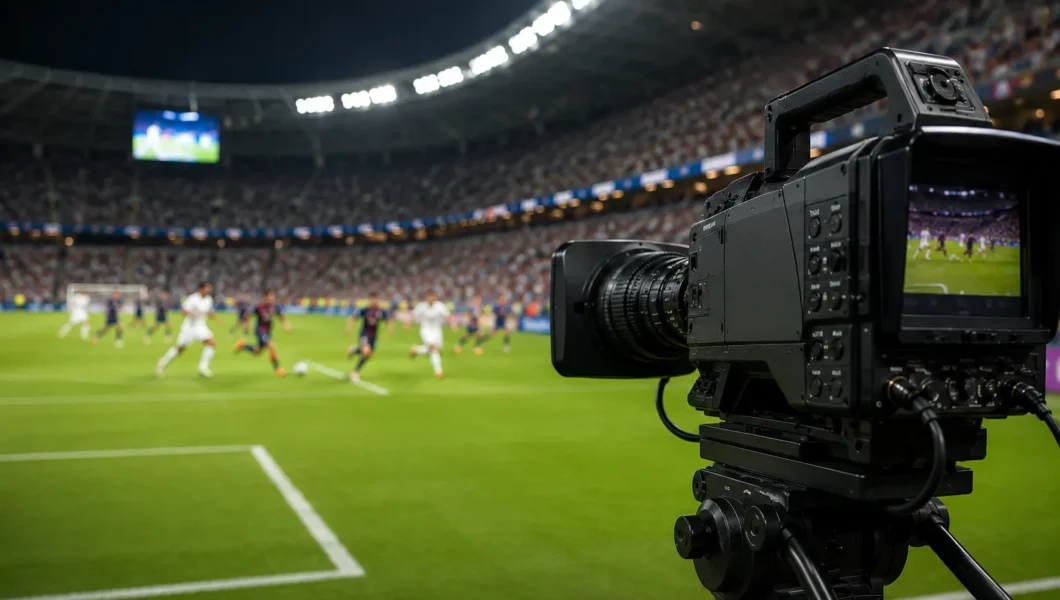
World Cup Final cameras miss key moments because of editorial decisions, technical limits, and the huge scale of live sports coverage. Real incidents, including FOX’s ad-break controversy, the Spidercam problem during England vs Norway, and Fox Sports’ poor camera angles at Copa America, show how even the biggest football broadcasting productions can let fans down.
Every four years, billions of people sit down to watch the biggest match on the planet. The World Cup Final is more than just a game. It is a global event that stops traffic, fills stadiums, and brings continents together. The pressure on live sports coverage is enormous. Broadcasters spend years getting ready, bringing in hundreds of staff, dozens of cameras, and the latest technology to deliver what should be the best viewing experience possible.
And yet, somehow, moments still get missed.
A goal goes in and the replay cuts away too late. A dodgy foul gets no clear angle. An emotional reaction from a player or manager vanishes from the screen. For fans watching at home, these moments are not just annoying. They feel like a let-down. When the biggest match in football deserves the sharpest picture, why does World Cup Final TV coverage still struggle to get it right?
The answer is not simple, and it is not just bad luck. It comes down to the enormous complexity of FIFA World Cup production, the real challenges faced by camera operators in the thick of it, and a string of well-known incidents that have shown up the cracks in even the most ambitious TV production setups. Let’s take a proper look at all of it.
How Does FIFA World Cup Broadcasting Actually Work at the Biggest Stage?
The scale of FIFA World Cup broadcasting is genuinely impressive! For the 2022 World Cup in Qatar, FIFA used over 40 cameras per match during the knockout stages, with even more in place for the final itself. The host broadcast, put together by FIFA’s own production team, was sent out to broadcasters in over 200 countries. Each one added its own commentary and extra coverage on top.
At a World Cup Final, you will usually find a mix of standard broadcast cameras at key spots around the ground. There is the main wide-angle camera behind the halfway line, goalline cameras, and handheld cameras on the touchline. On top of that, there are Spidercams, super-slow-motion rigs, and aerial drone systems. The variety of angles a director has to choose from is remarkable.
But having more cameras does not automatically mean better coverage. With so many feeds coming in at once, the director, sitting in a production truck just outside the stadium, has to make split-second choices about which angle to show. Every decision is a gamble. Football is such a fast and unpredictable sport that even the most experienced directors can get behind the action.
Real Incidents: When Sports Broadcasting Went Horribly Wrong
These are not just theoretical risks. There are several well-known moments where sports broadcasting genuinely let its audience down, and the reaction from fans was fierce.
FOX’s Ad-Break Controversy During the World Cup
Perhaps the most talked-about failure in recent World Cup Final TV coverage came from FOX Sports during their FIFA World Cup broadcast. American viewers were furious when FOX cut to adverts during live play. Real match action was happening on the pitch while fans at home were watching commercials. Goals, set pieces, and key passages of play were missed entirely, and social media went into meltdown. For a broadcaster spending billions on World Cup rights, the choice to put ad revenue ahead of live football broadcasting was widely seen as a serious mistake.
The Spidercam Controversy: England vs Norway World Cup Quarter-Final
The Spidercam is a camera that hangs on cables above the pitch. It is one of the most spectacular tools used in live sports coverage. When it works well, it gives sweeping, cinematic shots that make football broadcasting look brilliant. When it goes wrong, it becomes a real problem.
During England’s Women’s World Cup quarter-final against Norway, the Spidercam got in the way of live play. The camera system came down too low during the match, interfering with the game itself and drawing quick criticism from players, managers, and supporters. The incident raised serious questions about the rules around camera placement in big matches and showed how TV production ambitions can sometimes get in the way of the sport itself.
Fox Sports’ High Camera Angle Criticism During Copa America: USA vs Uruguay
Fox Sports has come under fire for its camera angles during the Copa America match between USA and Uruguay. Viewers were complaining that the main broadcast camera was placed way too high up in the stands. The players were tiny dots on the screen, robbing the game of any atmosphere or excitement. It was impossible to follow players or see tactical patterns or enjoy close moments of skill in the distant, wide shots. For a football broadcasting team covering a major international tournament, it was a costly error that showed just how much camera positioning matters.
What Challenges Do Camera Operators Face During Live Football Broadcasting?
It is easy to have a moan from the sofa, but the job of a camera operator during a FIFA World Cup match is one of the toughest roles in live television. Here is what they are up against every single minute.
Speed of play: Football is non-stop and unpredictable. Unlike American football or cricket, there are no natural breaks that give camera operators time to reposition or refocus. A ball can travel 70 metres in under three seconds.
Crowd movement: In stadiums packed with fans, camera operators on the touchlines are always battling crowd surges, security staff, substitutes warming up and other media members who can all block their view.
Director communication: Camera operators get instructions from the director through an earpiece during live play. Following those instructions while also tracking the ball, reading the game, and keeping footage steady is a brilliant but tough skill.
Equipment limits: No camera system can be everywhere at once. Lenses have physical limits. Zoom range, depth of field and frame rate all affect the clarity and extent of what can be captured.
Why Do Key Moments Still Get Missed During the World Cup Final?
Given all of the above, the reasons moments get missed during World Cup Final coverage fall into three main areas.
Technical reasons include camera faults, signal drops, Spidercam problems (as happened during the England vs Norway match), and lens limits that stop operators from tracking fast breaks or off-ball movement cleanly.
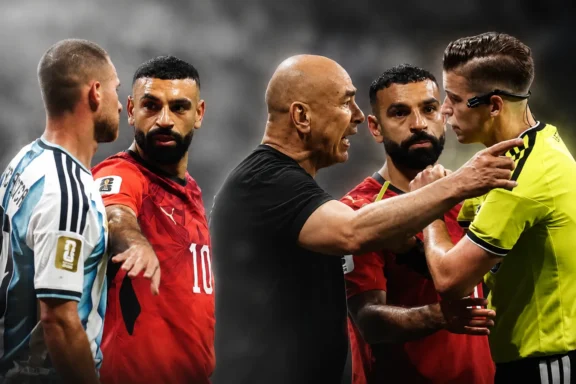
Editorial decisions are where things get trickier. Directors have to choose what to show. If a scuffle breaks out off the ball, does the director cut to it and risk missing a counter-attack? If a substitution is happening on the touchline, do you show the dugout drama or keep the wide shot on the main action? These calls happen dozens of times per match, and not every one turns out to be right.
Production priorities can clash directly with what fans actually want. Commercial broadcasts have sponsors, ad slots, and network commitments that can, as FOX showed during World Cup coverage, interrupt live football broadcasting at the worst possible times.
How Do Missed Moments Affect the World Cup Final Viewing Experience?
The effect on fans is both immediate and long-lasting. Studies show that how good the production feels shapes how emotionally involved viewers are in live sport. When a goal goes in and the broadcast cuts to a poor replay angle, or no replay at all, the joy of the moment is dampened.
For fans watching a World Cup Final in a different time zone, often alone at three in the morning, the broadcast is their only link to the stadium. Every missed reaction shot, every badly framed set piece, every advert during live play weakens that connection.
There is also the social media side to consider. Platforms like X (formerly Twitter) and TikTok are now delivering fan-filmed footage from inside stadiums in real time. Professional broadcasters are being held to a higher standard than ever before. When someone’s phone captures something the official production missed, the backlash is swift and very public.
What Does Better World Cup Final TV Coverage Actually Look Like?
The good news is that the path to improvement is clear, and the technology is already there to make it happen!
Smarter camera placement: The Copa America high-angle controversy is a reminder that technical ability means nothing if cameras are not in the right spot. Best practice puts the main camera at a height that captures the full width of the pitch while keeping players at a scale where you can actually see them properly.
Dedicated off-ball cameras: Some broadcasters are starting to use cameras that focus purely on off-ball movement, such as pressing triggers, player positioning, and tactical shapes. This makes football broadcasting far richer and reduces the chance of key moments being missed just because attention was somewhere else.
AI-assisted directing: A number of TV production companies are now testing AI systems that automatically spot high-probability goal situations and trigger camera cuts and super-slow-motion replays before the moment passes. These tools won’t replace human directors, but they can be a helpful early-warning system during the most intense parts of a match.
Stricter ad-break rules: Following FOX’s World Cup backlash, there are growing calls for clearer rules around adverts during live play. Some broadcasters already have these rules in domestic competitions. Applying them at FIFA World Cup level seems like an obvious step forward.
Spidercam guidelines: The England vs Norway incident should push broadcasters and FIFA to bring in clear rules on Spidercam height limits and movement during live play. This is a fixable problem that just needs the will to sort it out.
Raising the Bar: The Future of Live Sports Coverage
The World Cup Final deserves the very best live sports coverage on earth. With billions of viewers, decades of history, and the raw emotion of the game, nothing less will do. Yet as the incidents with FOX’s ad breaks, the Spidercam controversy, and the Copa America camera angles have shown, even the most expensive TV productions in sports broadcasting history can make costly mistakes.
The encouraging thing is that these failures are sparking real conversations among fans, broadcasters, and FIFA about what good coverage actually looks like. AI-assisted directing, smarter camera placement, tighter ad-break rules, and more careful use of tools like the Spidercam are all part of the solution.
Football broadcasting has come a long way since the grainy footage of early World Cup finals. The next big leap forward will not come from adding more cameras. It will come from using the cameras already in place with more intelligence, more care, and more respect for the moments that millions of people will treasure for the rest of their lives.
FAQs
World Cup Final broadcasts miss key moments because of a mix of editorial decisions, technical limits, and the sheer pace of live football. Directors have to make split-second choices between dozens of camera feeds, and not every call lands right. Commercial interruptions, as seen with FOX’s World Cup backlash, can also mean live action gets cut off.
FOX Sports faced a huge backlash during their FIFA World Cup coverage after cutting to adverts during live match play. The United States’ lack of live action during commercial breaks attracted significant criticism from football fans and media commentators who believed that TV production concerns were intruding on the viewing experience.
The Spidercam, a cable-suspended camera used to film aerial shots, was brought down too low during the quarter-final match of the Women’s World Cup between Norway and England, and stopped live play on the pitch. The incident raised questions about the handling of camera equipment and the administration of safety measures in high-stakes football broadcasting.
Fox Sports was criticised during the Copa America USA vs Uruguay match for placing its main broadcast camera too high up in the stadium. The extreme height made it hard for viewers to follow individual players as they appeared very small on the screen. The visual closeness of the coverage was diminished. This infuriated a lot of football fans and just goes to show you the importance of camera positioning in live sports coverage.
Better football broadcasting can result from smarter camera heights and positioning, dedicated off-ball tracking cameras, AI-driven directing tools that flag high-probability goal situations early, tighter ad-break rules around live play, and clearer guidance for systems such as the Spidercam. These changes can make a real difference to World Cup Final TV coverage without needing entirely new technology.
During FIFA World Cup knockout matches and the World Cup Final itself, broadcasters typically use 40 or more cameras. These include goalline cameras, super-slow-motion rigs, handheld touchline cameras, and aerial systems like the Spidercam. Even with all of that kit in place, editorial and technical challenges mean that key moments can still be missed during live sports coverage.





No Comments